
Debut of the Capitol Guide Service
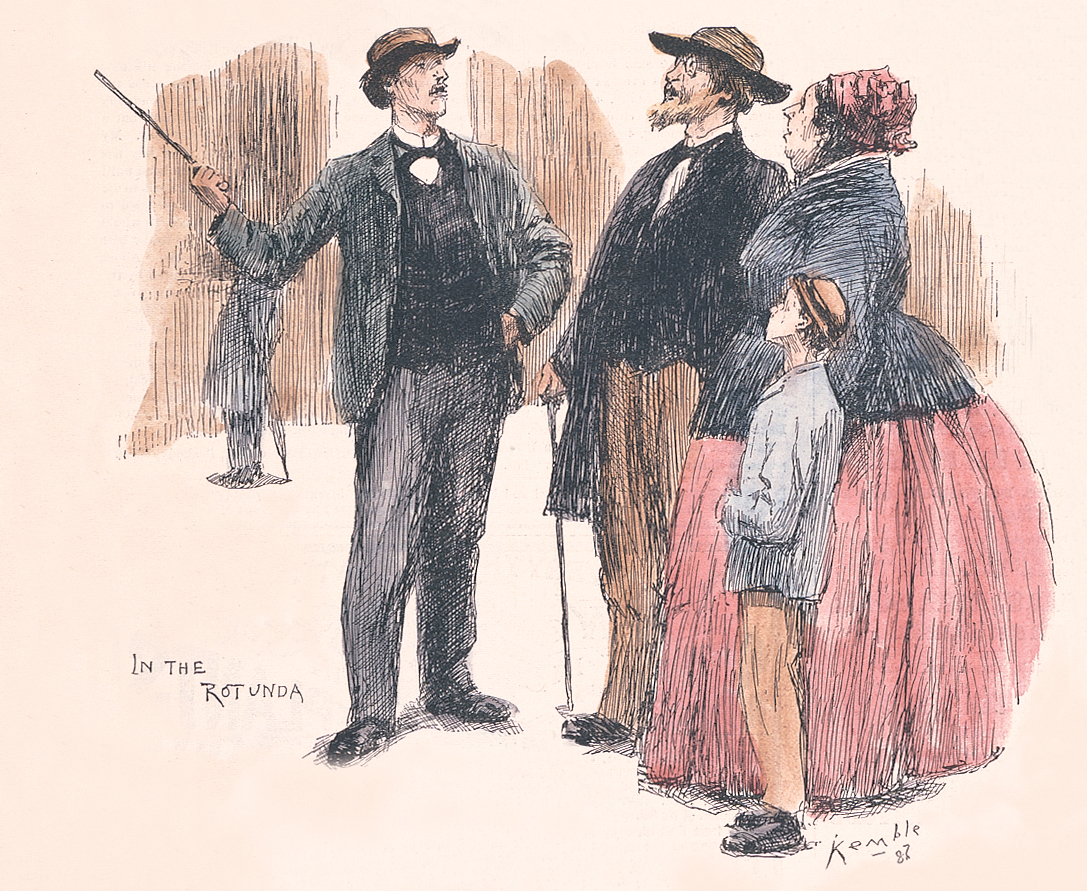
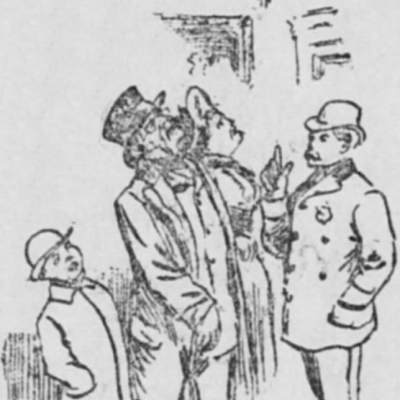
Since the opening of the Capitol in 1800, visitors flocked to the iconic building to engage with Congress and explore the art and architecture. Local residents, styling themselves as guides, shepherded tourists through the Capitol corridors. However, without standards in place, enterprising individuals often took advantage of the sightseers.
With increased visitation during the country’s Centennial celebration in 1876, Congress established the U.S. Capitol Guide Force, later called the U.S. Capitol Guide Service. Under the jurisdiction of the U.S. Capitol Police, the Guides provided a professional level of service and became the public face of Capitol tours.
Unlike today, Capitol Guides were not government employees. They offered tours for 25¢ per person (about $7.70 today). They provided context to the expanding statue collection, decorative paintings and the legislative process.
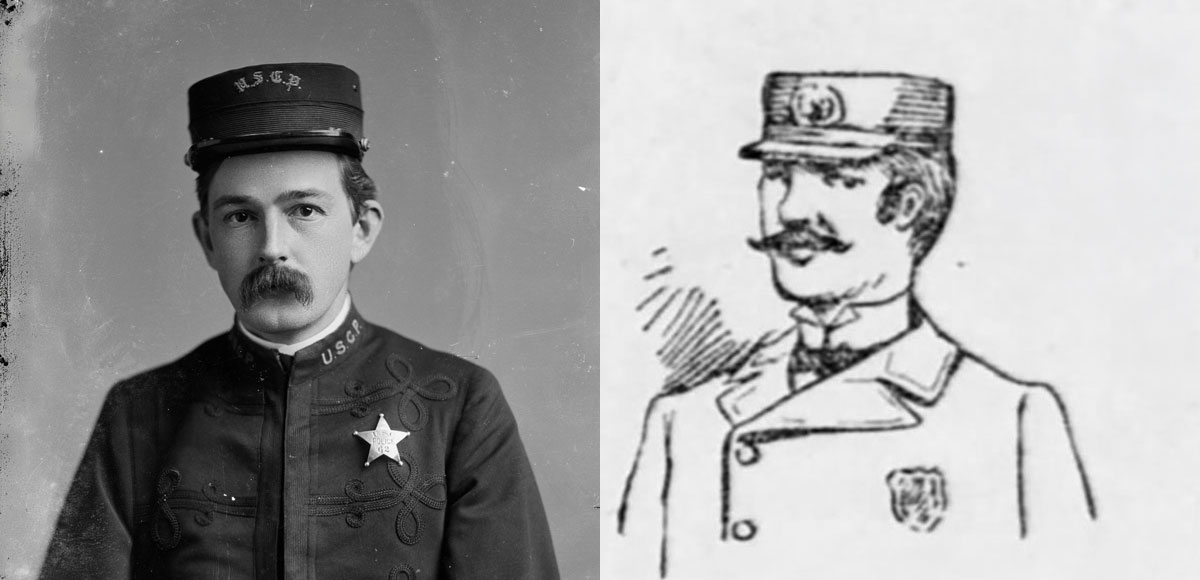
Soon the Guides began to wear uniforms similar to those of the Capitol Police: black coats and hats and crisp white shirts. One key difference was their badges. While the police badges were star-shaped, Guide badges were more shield-like, perhaps symbolic of the American shields found throughout the building.
A Capitol Visit
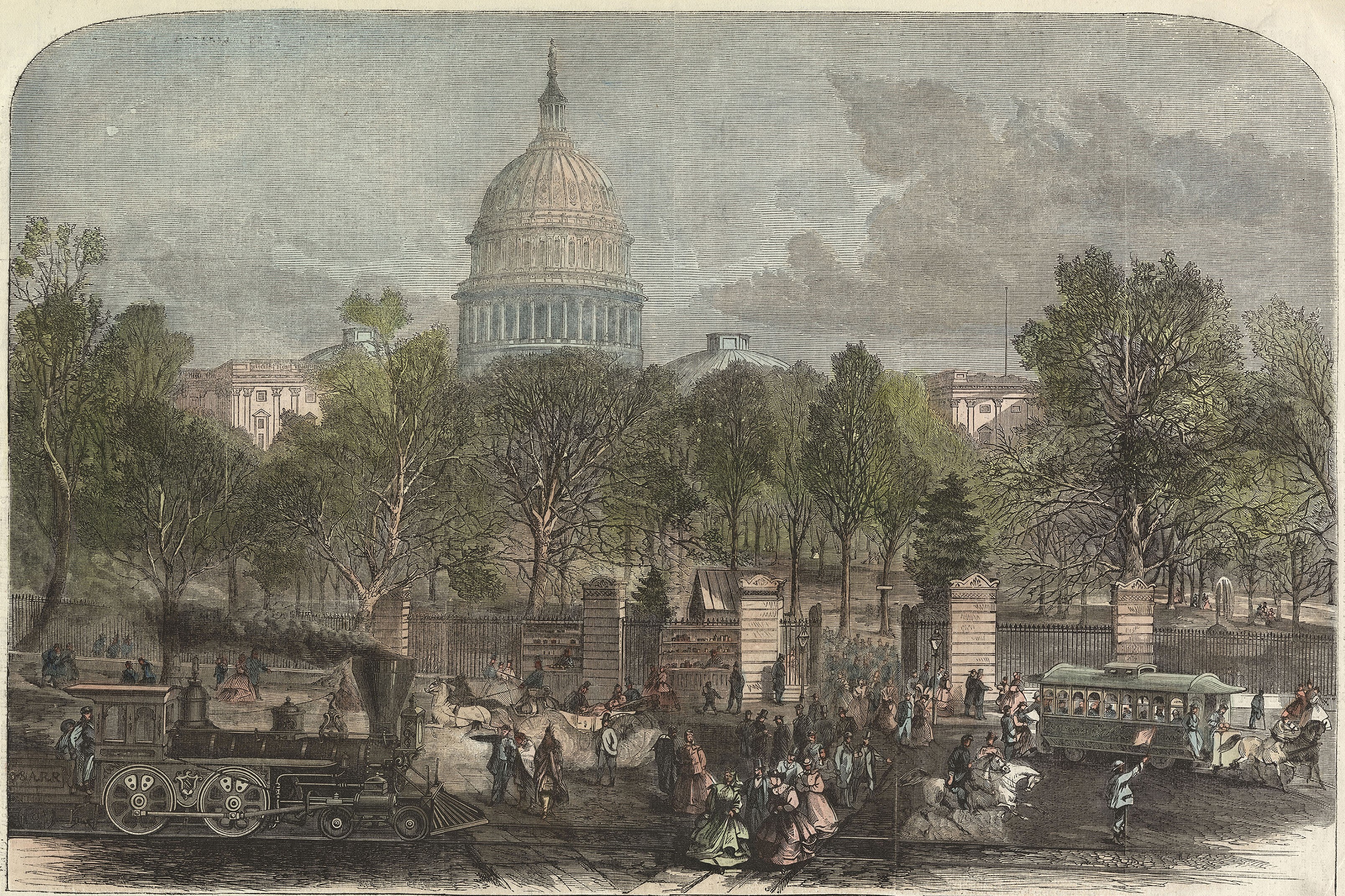
How did visitors travel to the Capitol? In 1876, horses and carriages were commonplace on the streets of Washington, D.C. A system of horse-drawn streetcars was growing across the city. Two different train stations were only blocks from the Capitol.
During the nation’s Centennial celebration, visitors to the Capitol would have seen many things. Thanks to landscape architect Frederick Law Olmsted, trees and flowers adorned the green space around the building.
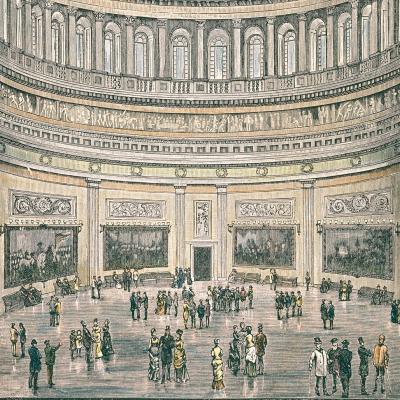
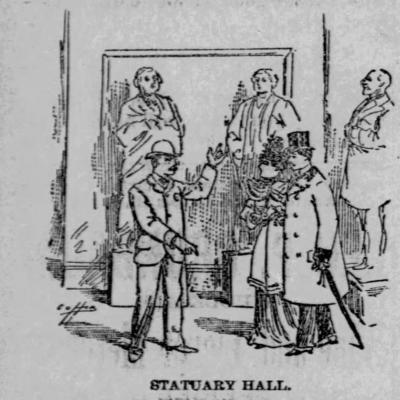
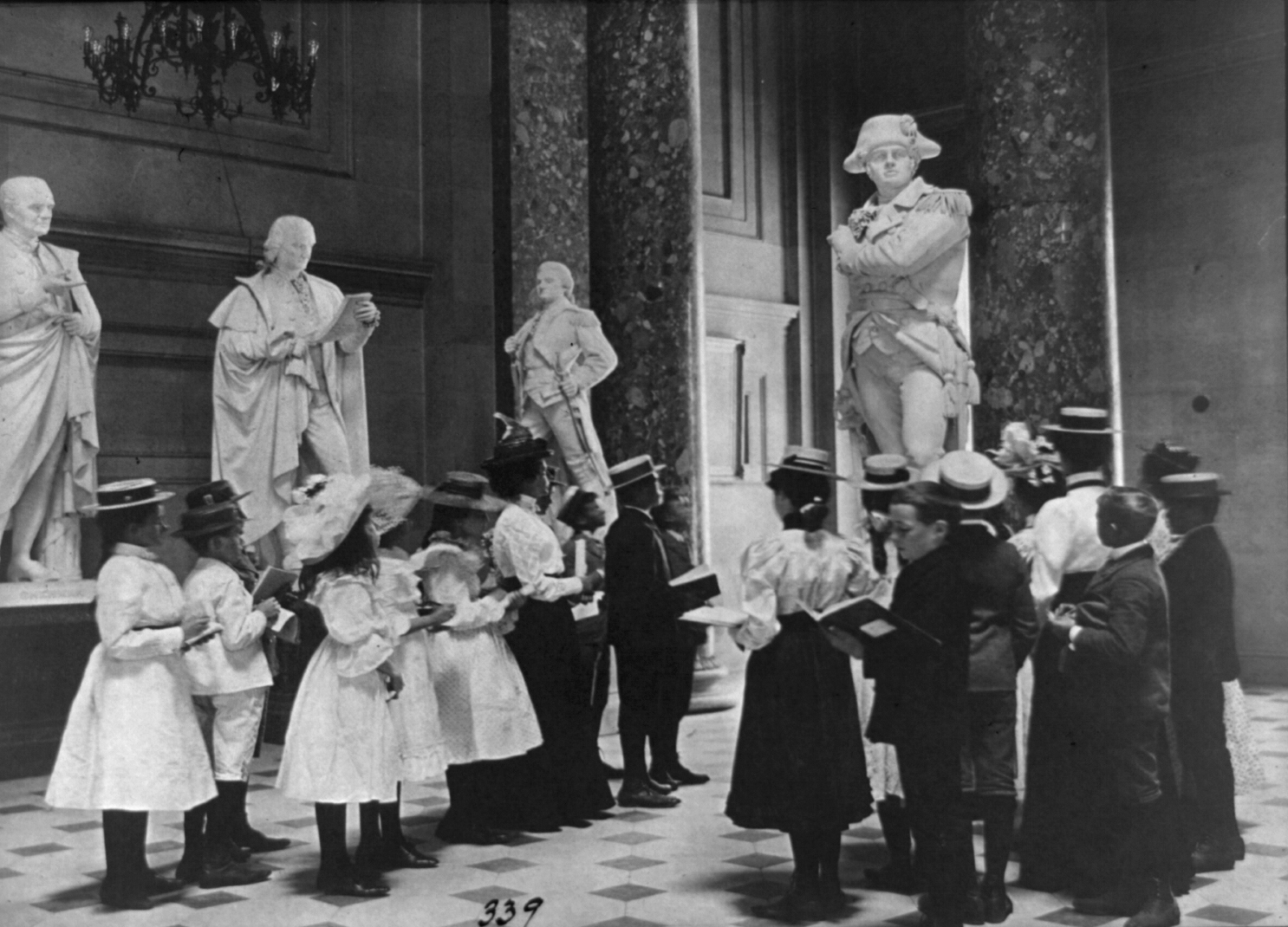
In the Rotunda, John Trumbull’s paintings commemorating the American Revolution turned 50 years old. Workers might have been moving statues and art into place, as Congress authorized the National Statuary Hall Collection 12 years earlier in 1864. Each state can send two statues to the Collection, and three — Ethan Allen (Vermont), Robert Livingston (New York) and Samuel Adams (Massachusetts) — arrived during the Centennial period.
A Heroic Rescue
In this era, tour groups would pass by artist Constantino Brumidi and his team painting murals in the Rotunda and the Senate corridors — both areas visitors can still see today.
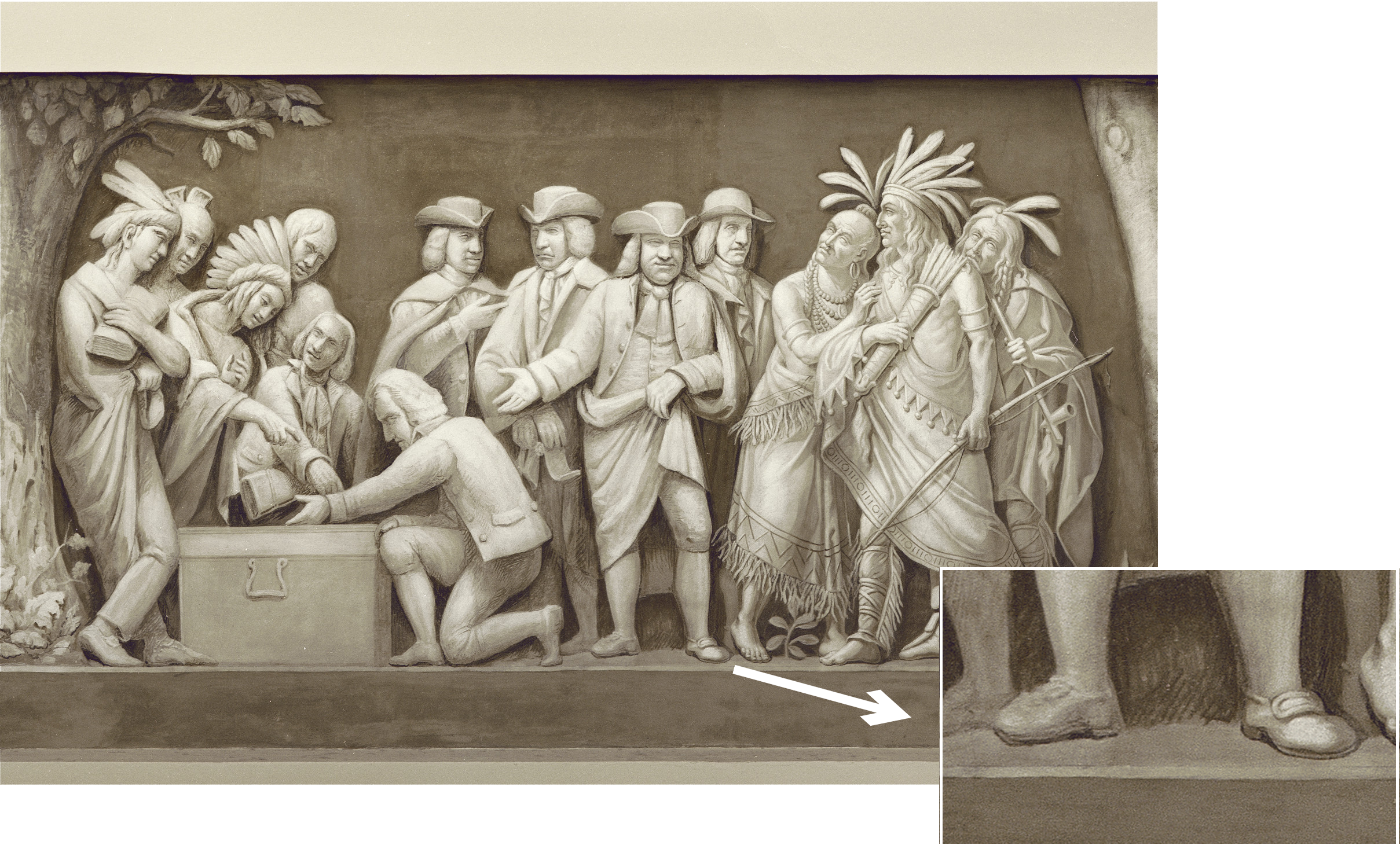
While working on the Rotunda’s “Frieze of American History” in October 1879, Brumidi slipped from his scaffolding. He caught himself on the rung of a ladder and was suspended 58 feet above the Rotunda floor for nearly 15 minutes before he was rescued by Capitol Police Officer H.H. Lemons and Capitol Guide George R. McCauley. Brumidi returned to the Rotunda to work on the frieze one final time before he died in February 1880, leaving another artist, Filippo Costaggini, to complete the work.
Capitol Guide Spotlight
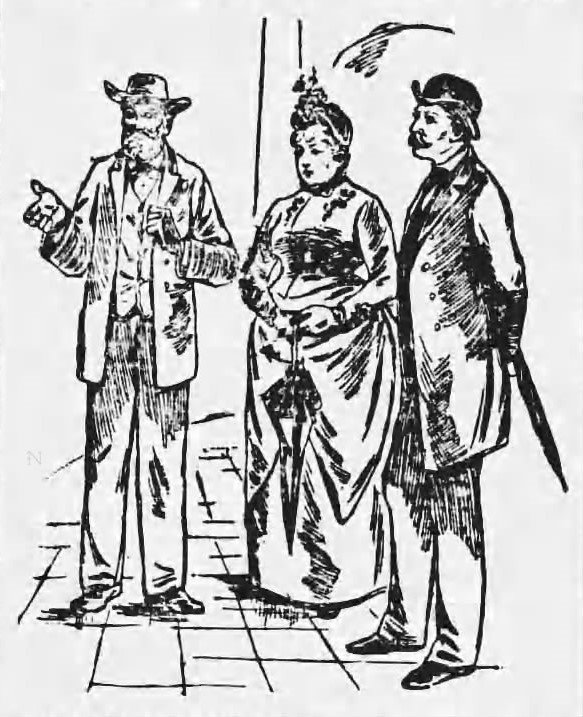
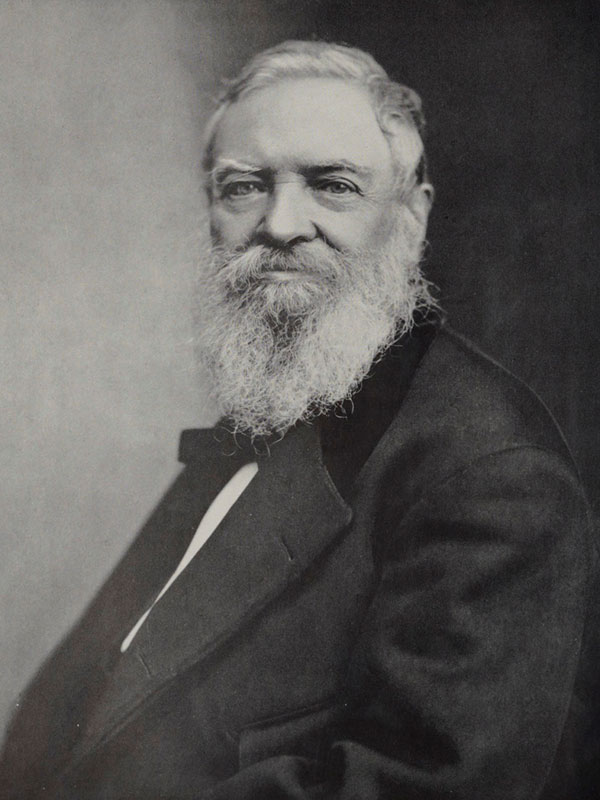
Benjamin Stewart was born in 1825 at James Madison’s Montpelier plantation in Virginia. His mother, “Sukey” Stewart was the enslaved personal maid to First Lady Dolley Madison. Stewart worked various odds jobs prior to his service as a Guide from 1887 until his death in 1890.
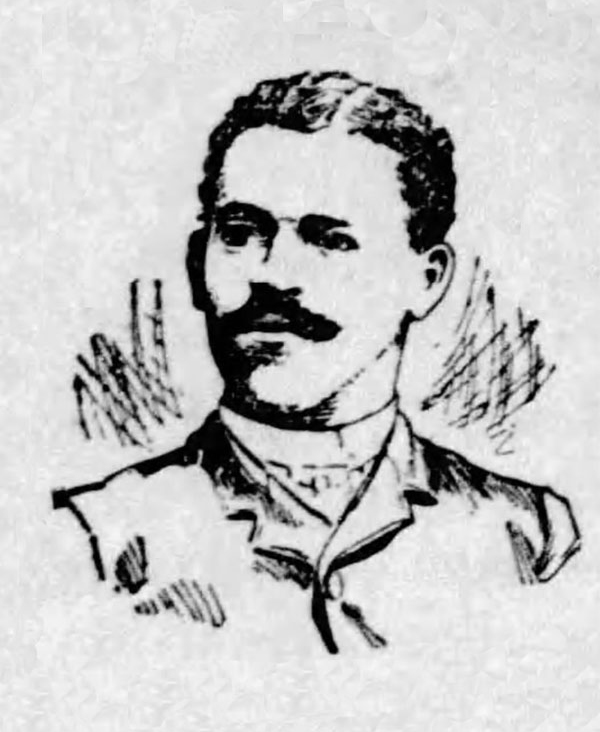
Beaufort C. Lee was born enslaved in Covington, Georgia, in 1859 and moved to Washington, D.C., in 1874. Lee first served as a general laborer around the Capitol, and then as a messenger to the House Ways and Means Committee. Appointed as a Guide in 1885, Lee served at the same time as his coworker and landlord, Benjamin Stewart.
One Kansas newspaper wrote, (Lee) “is always polite and gentlemanly.” He served as a Guide until 1901 and died in 1929.