



Traders opened the Santa Fe Trail from Missouri to the Southwest in 1822
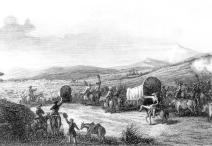
Traders opened the Santa Fe Trail from Missouri to the Southwest in 1822
In 1839, African captives on the slave ship Amistad mutinied
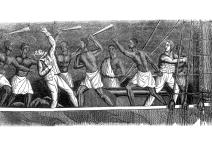
In 1839, African captives on the slave ship Amistad mutinied
The cotton gin made large-scale production of cotton profitable, leading to the expansion of slavery
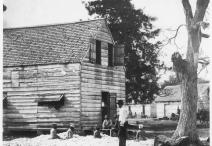
The cotton gin made large-scale production of cotton profitable, leading to the expansion of slavery
U.S. forces invaded Mexico in 1846, claiming nearly half of Mexico’s territory for the United States. Here, General Scott enters Mexico City with his troops.
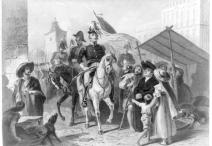
U.S. forces invaded Mexico in 1846, claiming nearly half of Mexico’s territory for the United States. Here, General Scott enters Mexico City with his troops.
The United States and its allies airlifted supplies
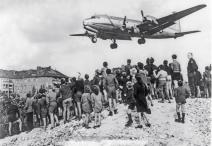
The United States and its allies airlifted supplies
Millions of World War II and Korean War veterans furthered their education, thanks to the GI Bill.

Millions of World War II and Korean War veterans furthered their education, thanks to the GI Bill.